Research & Faculty
Overview
The biology disciplines of Fudan University, Shanghai Jiao Tong University (SJTU), and Tongji University form a complementary life-science cluster in Shanghai, spanning genetics and genomics, molecular and cellular biology, developmental and regenerative biology, neurobiology, microbiology, bioinformatics, bioengineering, synthetic biology, stem-cell science, precision medicine, and AI-enabled discovery. Together, they connect fundamental research with biotechnology, clinical translation, and biomanufacturing.
-

School of Life Sciences at Fudan University
BIOBiology A+- 8 Academic Departments
- National Double First-Class
- ESI: Top 0.1% in major fields

-

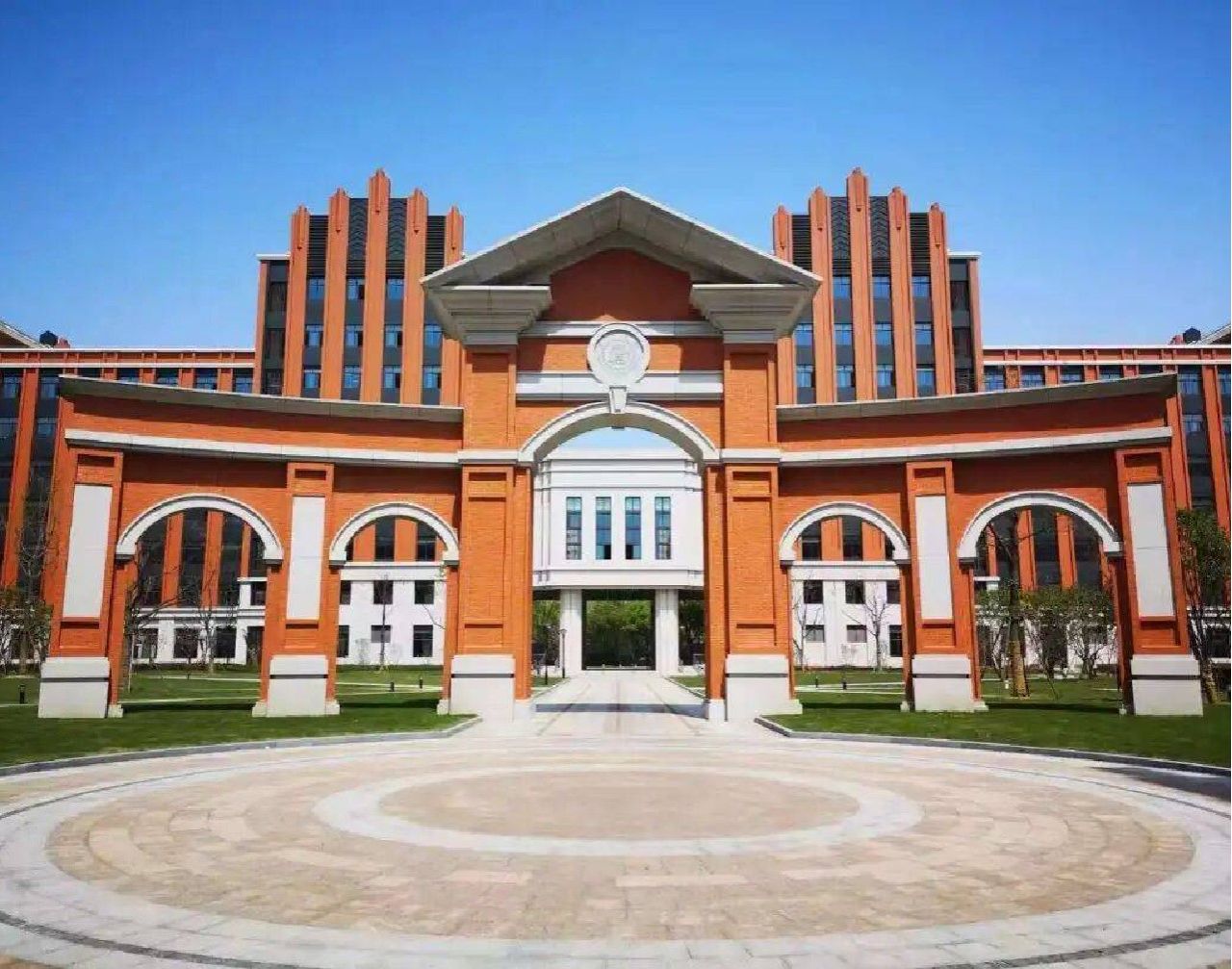
School of Life Sciences and Biotechnology at Shanghai Jiao Tong Univeristy
BIOBiology A+- 5 Departments + Bio-X Institute
- National Double First-Class
- ESI Top 1‰ in two core fields
-

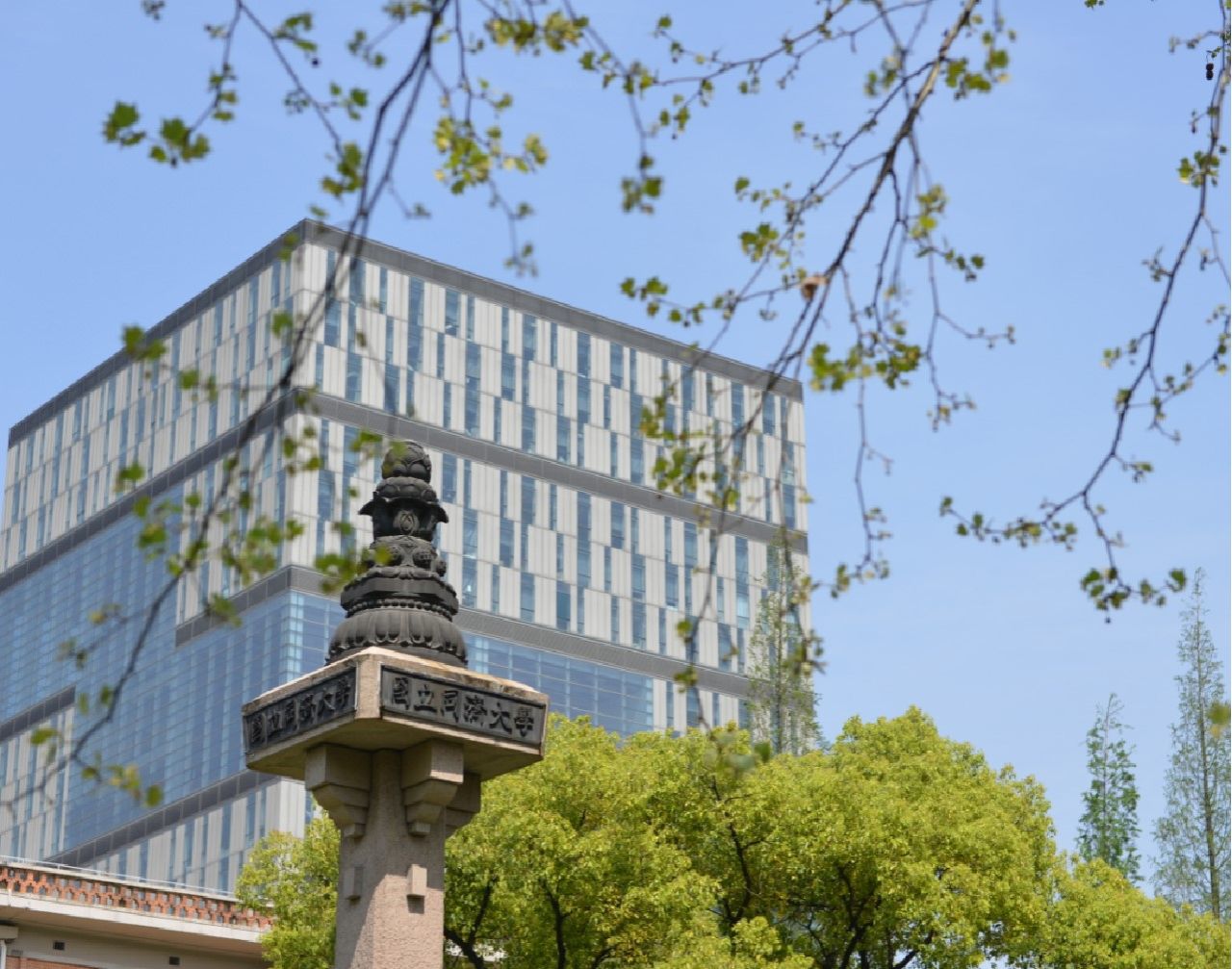
School of Life Sciences & Technology at Tongji University
BIOBiology A- 3 Departments + Protein Institute
- National Double First-Class
- FIRFS: 8 foundational disciplines
FacultyExplore More
Across the three universities, the biology faculty-and-staff community exceeds five hundred members and combines senior academic leaders with a strong generation of young investigators. Fudan has more than 200 staff and over 150 principal investigators, including four academicians. SJTU has more than 200 faculty and staff, including CAS/CAE academicians, distinguished professors, national talent-program awardees, and leaders of major national research initiatives. Tongji has 123 staff members, including 98 professional teachers, with extensive national- and provincial-level talent recognition.
Collectively, the three universities offer supervision across experimental biology, computational biology, biotechnology, engineering, and translational medicine, supported by laboratory rotation, individualized mentoring, and interdisciplinary research teams.
-
200+
Faculty & Staff
-
150+
Principal Investigators
-
4
Academicians
-
-
200+
Faculty & Staff
-
5
Academic Departments
-
1
Bio-X Institute
-
-
123
Faculty & Staff
-
98
Professional Faculty
-
58
National Talent Honors
-
Scientific Research
The three institutions operate major research platforms and shared facilities. Fudan hosts national and provincial-level platforms and core facilities for electron microscopy, flow cytometry, metabolomics, proteomics, imaging, genomics, structural biology, pathogen biology, organoids, and model organisms. SJTU's platforms include the State Key Laboratory of Microbial Metabolism, the National Engineering Resource Center for Microbial Strains, the 'Microbiology+' Basic Research Innovation Center, and the National High-Level Talent Training Center for Biology. Tongji hosts the Frontiers Science Center for Stem Cell Research, the National Stem Cell Translational Resource Library, the Ministry of Education Stem Cell Resource Library, and advanced shared instrumentation.
Research strengths are highly complementary. Fudan contributes genetics, development, molecular mechanisms, neurobiology, organoids, targeted protein degradation, mRNA technologies, microbial cell factories, and AI-assisted discovery. SJTU is strong in microbial metabolism, genetics and development, bioinformatics and biostatistics, microbiome research, synthetic biology, bioengineering, and quantitative life science. Tongji focuses on stem cells, regeneration, major-disease mechanisms, precision medicine, and clinical translation, while FIRFS extends these strengths toward molecular medicine, biomanufacturing, and AI for Science.
Recent outputs across the three universities include major national projects, high-impact publications in leading journal families, and national or provincial science awards.



-
3
National-level
Platforms -
360+
High-quality papers, 2021–2025
20+ in Cell / Nature / Science families -
4
Provincial/Ministerial
Platforms -
714
National projects
RMB 1.3B funding
-
4
National-level
Platforms -
A+
Biology discipline
ESI Top 1‰ in two core fields -
5
Ministerial/Provincial
Platforms -
Top journals
Science · Nature · Cell
National science awards
-
3
National Research
Platforms -
240+
National/provincial projects in 5 years
~100 high-level papers annually -
7
Core Facility
Modules -
1+6
1 National Natural Science Award
6 provincial/ministerial awards
International Collaboration
-
Fudan University
- International conferences and cooperation bases in genetics, development, and human genetics.
- Alliance of Open Life Science promotes global networks, data standards, resource sharing, and open science.
-
Shanghai Jiao Tong University
- Partnerships with Yale, Adelaide, Nottingham, Nanyang Technological University, and other institutions.
- 20+ active international projects plus student research visits, joint centers, and international conferences.
International collaboration is embedded in research and training. Fudan organizes major genetics and life-science conferences and participates in open-science networks and international cooperation bases. SJTU maintains partnerships with institutions including Yale University, the University of Adelaide, the University of Nottingham, and Nanyang Technological University, supported by joint research centers, student exchanges, conferences, and collaborative projects. Tongji regularly hosts international scholars, maintains exchanges with universities and research centers worldwide, and organizes overseas study visits and academic seminars. Across the three universities, international doctoral students can join collaborative projects, conferences, visits, and multicultural research groups.
-
Tongji University
- 21 short-term experts in 2025 and 100+ Tongji Life Science Forum sessions with global scholars.
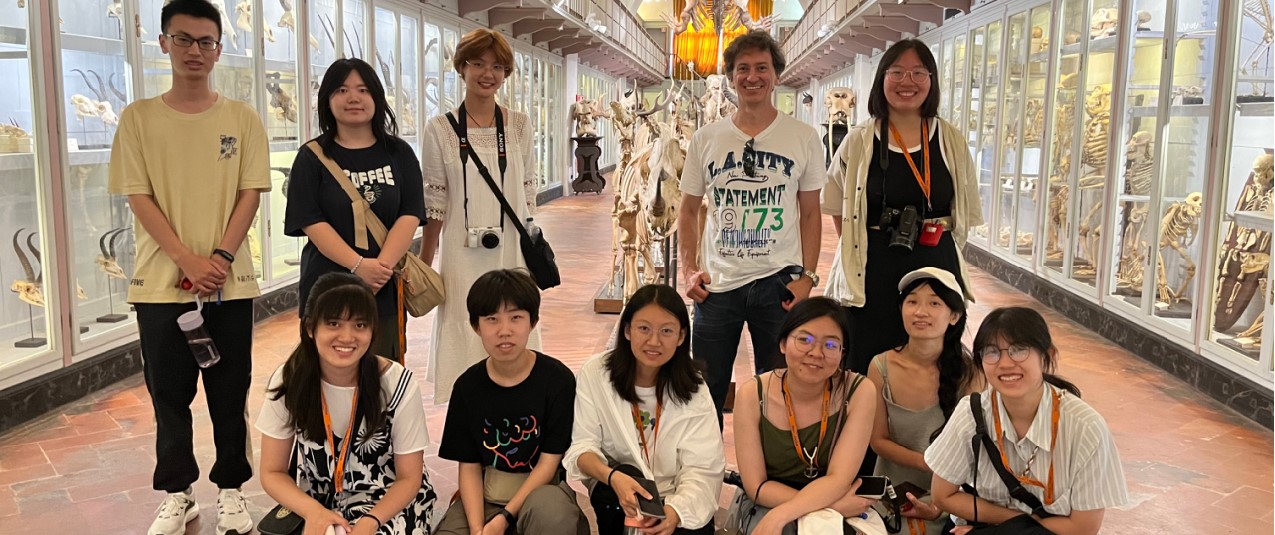
- Study visits to Italy, exchange with the University of Macau, and FIRFS as a globally oriented hub.
Talent Cultivation
The three universities provide complete and complementary systems for doctoral training. Fudan emphasizes early research immersion, laboratory rotation, strong foundations, critical thinking, academic communication, and integration of experimental and computational methods. SJTU offers research-oriented doctoral programs in Biology and Bioengineering, with English-taught coursework, quality assurance, and extensive scholarly engagement; its Mingzhi Honors Program supports future leaders in biology. Tongji offers an integrated undergraduate-to-postdoctoral pathway, with nationally recognized Biotechnology and Bioinformatics programs and participation in the Top-Notch Student Training Program 2.0 and Strong Foundation Program.
Students benefit from major research platforms, broad supervisor choice, interdisciplinary projects, and international exchange opportunities. Training can span basic mechanisms, quantitative analysis, intelligent experimentation, technology development, and clinical translation. Together, Fudan, SJTU, and Tongji provide the faculty, infrastructure, international networks, and educational foundations required for the JUSTCOOL program and for cultivating globally competitive life-science talent.
-
Fudan University

National High-Level Talent Training Center for Biology
- Early research immersion, laboratory rotations, and individualized supervision
- 17,000+ alumni and 1,300+ current graduate students
-
Shanghai Jiao Tong University
Mingzhi Honors Program and English-taught graduate courses
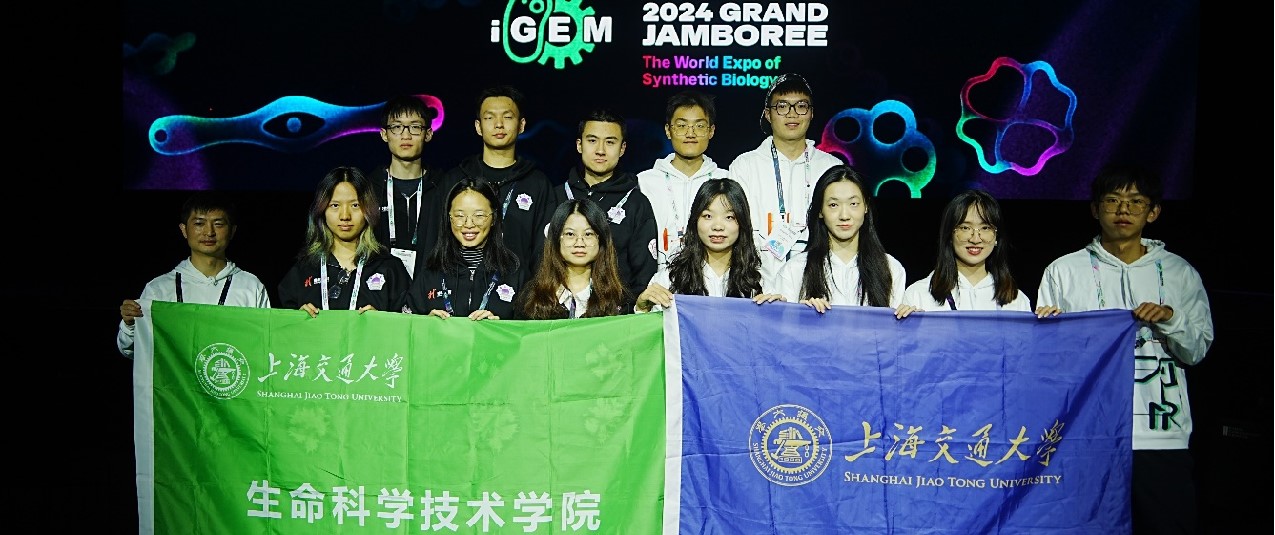
- 23 iGEM gold medals over 17 consecutive years
- 3 National Outstanding Doctoral Dissertations; 19 Shanghai honors
-
Tongji University
Top-Notch Student Training Program 2.0
- Strong Foundation Program and two National First-Class undergraduate programs
- Second Prize for National Graduate Education Teaching Achievement